Bain: Personal AI agents are driving up customer contacts and revenue losses
As personal AI agents such as Meta's Muse and OpenAI's dots negotiate bills, companies are struggling to measure the rise in incoming traffic.
What's happening
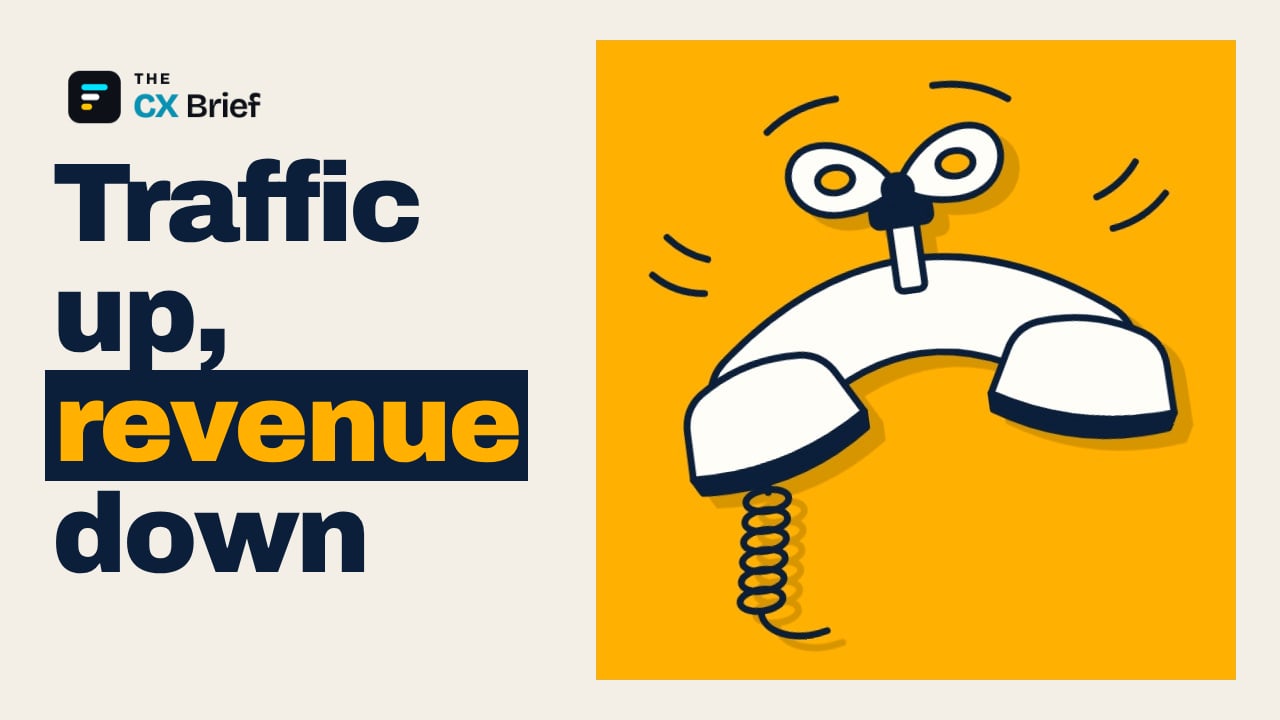
According to Bain, personal AI agents such as Meta’s Muse, OpenAI’s dots, and Google’s Gemini Spark are contacting companies on customers’ behalf to negotiate bills, pursue refunds, and cancel subscriptions. By removing much of the effort that has historically constrained service demand, personal AI agents increase companies' exposure to contacts, concessions, and lost recurring revenue.
Whose desk it lands on
The customer experience leader. What metric should the company use to measure the share of AI agents in incoming customer traffic?
Our view
The CX Brief's interpretation, not a claim made by the source.
Personal AI agents make it easier for customers to submit service requests, but they strain companies' ability to recognize incoming traffic and manage its cost. Customers come out ahead by negotiating bills and canceling subscriptions, while companies face lost revenue and operating costs. Routing agent traffic to a machine-to-machine interface could lower costs, but for now companies cannot adequately measure the impact of the shift. Contact centers will have to build new infrastructure, beyond their human-centered channels, to handle requests from AI agents.
Source
Source:Bain
Reported by: Bain — Customer Confidential·November 10, 2026
Read it on Bain — Customer Confidential →