This Time, AI Is Carrying the Olympic Torch
The 2026 Milan-Cortina Winter Olympics opened on February 6 with a ceremony in Italy! Think of the enormous crowd you see when you turn on the TV, the thousands of athletes and the millions of viewers. Now pull the camera back a little and picture the massive chaos in the background: "Where's the shuttle?" "My ticket won't load." "Which gate do I use?" "There's an emergency!" Not so far-fetched, is it?
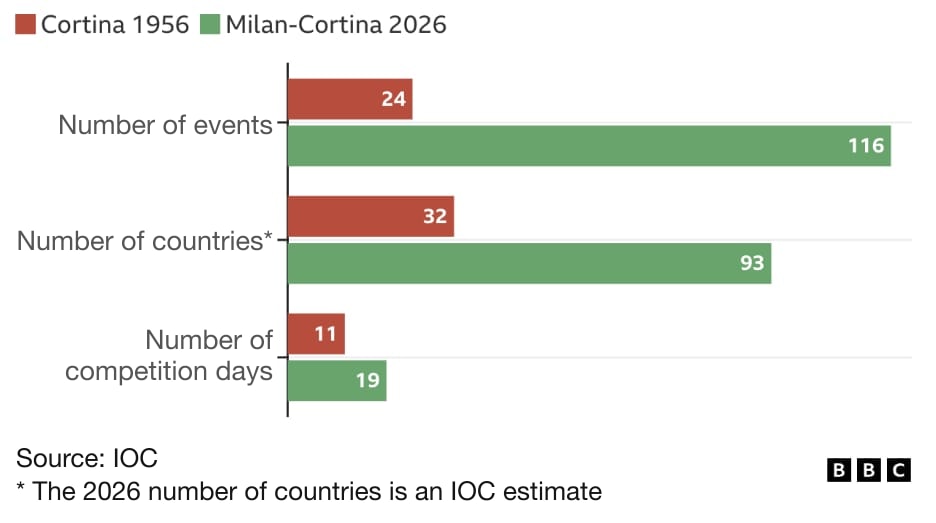
Cortina d’Ampezzo is the fourth place to host the Winter Olympics for a second time. With nearly five times as many events and three and a half times as many athletes as in 1956, the 2026 Winter Olympics are too big to fit into a single ski resort, so they are spread across several cities and areas, including Milan. For an event this large and this widely dispersed, experience design had to scale up just as much.
Cortina Marketing, Cortina’s official destination management organization, left nothing to chance ahead of the Games and handed the reins of visitor experience management to Italian tech giant Covisian and its “Smile.CX” platform.

So, What’s Happening on the Streets of Cortina?
The system Covisian built acts like an “invisible host,” greeting visitors to Cortina on the website and on WhatsApp 24 hours a day, seven days a week, in five languages. The goal isn’t just to solve problems; it is to connect the physical world with the digital screen and deliver that much-talked-about phygital experience.
Imagine you’re in Cortina and you get hungry. The system doesn’t see you as just “a ticket number.” It analyzes your location and past preferences in real time and, instead of suggesting a random spot, recommends a restaurant that is closest to where you are at that moment, suits your taste and, most important, has no line out front. In other words, it acts like a local guide who knows the town like the back of their hand.
The even more impressive part comes in moments of crisis. Winter Games mean weather conditions that can change at any moment. Think of the moment when a race is postponed and thousands of people panic at once. Smile.CX can step in here and, instead of sending a curt “Canceled” message, say something like: “The race has been postponed by 2 hours, but don’t worry, you can warm up at the café on the corner, where we have a complimentary hot chocolate waiting just for you.” This is exactly what they mean by turning a negative moment into a warm experience within seconds.
Of course, they haven’t handed everything over to the robot. The system’s most critical capability is sensing moments that call for emotional intelligence. While AI handles the simple questions, in situations such as a lost child or an urgent health problem, the system immediately steps aside and connects you with a real, live human being. What’s more, that operator greets you already up to speed, with no need for you to explain the situation from the beginning.
Türkiye is a paradise for tourism and events. From the giant hotels of Antalya to the festivals of Istanbul, we actually deal with a similar rush every day. The Cortina 2026 example sums up very nicely how the rules of the game in tourism have changed.
Hospitality is no longer just a warm welcome at the door; it is about using the phone in the guest’s pocket to make them feel: “I know you, I know what you need right now, and I’m here for you.”
If visitors are feeling warm inside in Cortina’s freezing cold, it isn’t just because of the coats they’re wearing; it’s because of this smart experience design that understands them.
This piece was first published in Turkish in CX Bulletin on February 13, 2026. English translation.