The Wall Diplomatic Crises Couldn't Breach: Customer Loyalty
Before I moved to Canada, I used to hold up two giants as examples for the students in my Customer Experience Management courses at Istanbul Kültür University: Amazon and Costco. Using very different strategies, each became a customer experience legend with few equals.

In theory, I knew Costco’s DNA down to the finest detail, yet the unshakable customer loyalty I witnessed firsthand in Canada astonished even me, a CX professional. That loyalty ran so deep that I’m certain it will one day be taught in universities as a case study.
To understand this success story, we have to go back to 2025 and that tense summer when relations between Canada and the US were shaken by the tariff crisis. The tariff wars between the two countries stirred serious discontent among Canadian consumers, which then grew into the “Boycott American Goods” and “Buy Canadian” campaigns. As both sides of the border suffered billion-dollar losses, US alcoholic beverage exports to Canada, for example, dropped off a cliff in the second quarter of 2025, falling 85%.
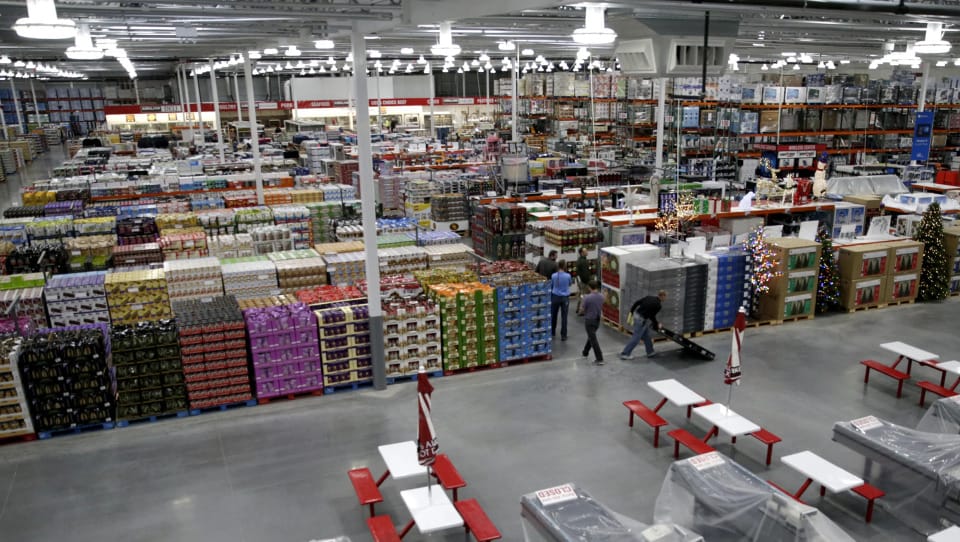
The Costco in-store experience
A Retail Miracle in the Shadow of Diplomatic Crises
Yet right in the middle of this fierce national sentiment, a paradox was playing out that defied every expectation: the parking lots of Costco, a US-based giant, were jam-packed at all hours of the day. Canadians seemed to forget the geopolitical crisis, the border wars and the boycott rhetoric the moment they walked through Costco’s doors. This was not just a personal observation; it was a striking financial triumph reflected in Costco’s investor reports.

The Numbers Speak: Record Growth in the Shadow of a Boycott
In fiscal 2025, Costco grew comparable sales (excluding the impact of gasoline prices and foreign exchange) by 7.3% in the US, its home market, while its Canadian operation, at the very center of the crisis, achieved a remarkable 8.3%. What’s more, this momentum accelerated further in late 2025 (fiscal Q1 2026), rising to 9.0%. So why, even as people turned their backs on American brands, did they cling even tighter to Costco?
At the root of the resilience Costco showed in this crisis lies its special ecosystem of “belonging,” one that non-members can’t even set foot in. When Canadian consumers pay annual membership fees ranging from 65 to 130 Canadian dollars, they aren’t just buying the right to walk into a store; they’re buying a ticket into a club built on trust. The most concrete proof of that trust: even in 2025, when the geopolitical storms were raging hardest, the membership renewal rate in the US and Canada—Costco reports these two countries together—held at an unshakable 92.3%.
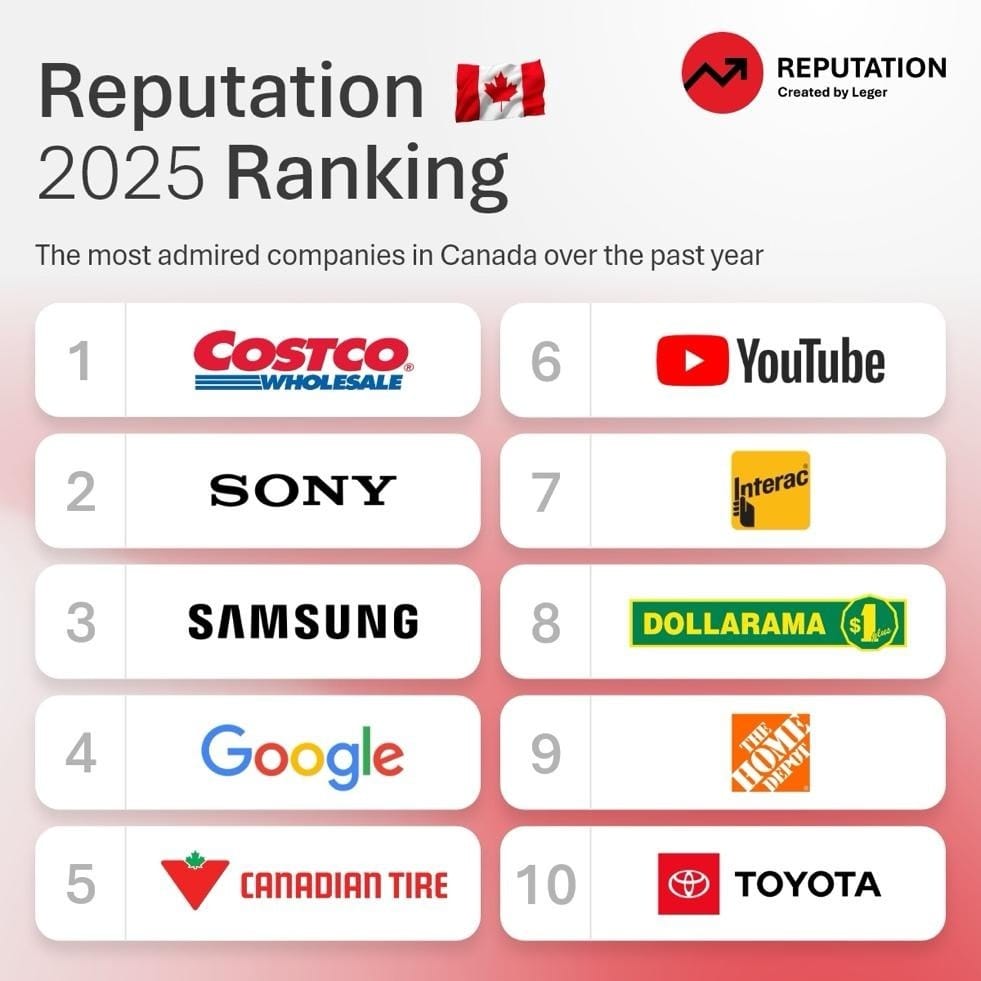
Leger’s reputation study of more than 38,000 Canadians shows that this picture is no accident: while Canadian Tire, a homegrown giant through and through, comes in at No. 5, American-born Costco holds the top spot and won’t give it up. So how did Costco build this “local hero” image?
Conclusion: CX Isn’t Just Satisfaction; It’s Insurance
Every time Canadian consumers shop at Costco, they feel they’re on “the winning side.” It is this psychological bond that lets the geopolitical outcry and boycott calls of the outside world melt away in Costco’s aisles.
The Costco case proves one thing: a great customer experience strategy is not just a growth tool; it is a giant shield that protects organizations against the most severe economic and political crises. The growth figures in financial reports are no coincidence; at the end of the day, those who invest in customer experience genuinely and wisely always win.
This piece was first published in Turkish in CX Bulletin on January 11, 2026. English translation.