You Think You Have a Loyalty Program, but Could Your Customers Be Quietly Walking Away?
On the other side of the coin — the customer’s side — things aren’t so rosy. In fact, there is a huge perception gap that brands are ignoring. We say we’re great; customers say “meh.”
According to Antavo’s Global Customer Loyalty Report 2026, the return on investment (ROI) of loyalty programs has reached 5.3x, and 83% of companies are satisfied with their programs. Everything looks great, right?
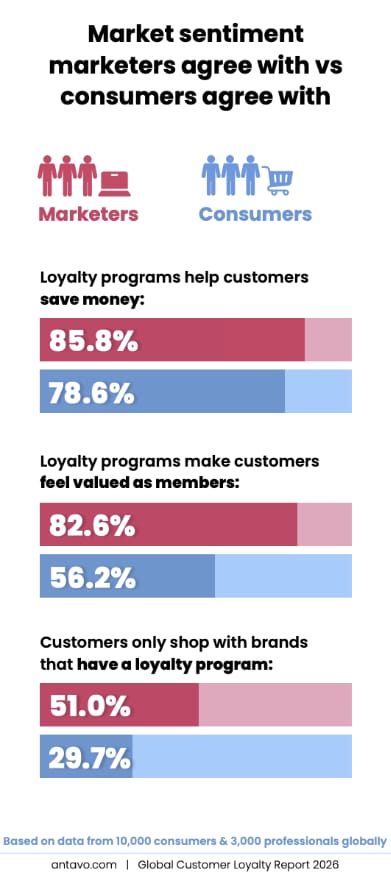
The report’s most striking data point is the gap between brands’ belief in their own performance and the reality customers experience. Among marketers, 82.6% believe their loyalty programs make customers feel “valued.” And customers? Only about half of them (56.2%) agree.
This gap is exactly what we in the CX world call the empathy illusion. While we design points, tiers and campaigns, we think we are touching customers’ hearts, but they see it as nothing more than a commercial exchange.
The Biggest Letdown: Unreachable Carrots
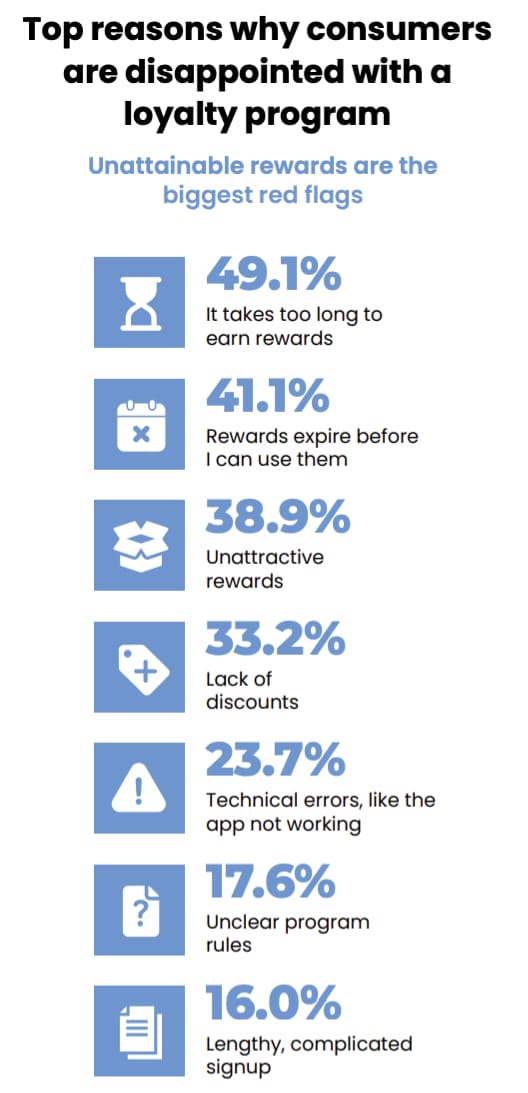
So why don’t customers feel valued? The problem isn’t a slow app or a cumbersome sign-up process. The problem is the reward itself.
Customers’ number one complaint (at 49.1%) is that it takes too long to earn rewards. Second on the list is points expiring before they can be used. In other words, we tell customers “Be loyal and you’ll be rewarded,” but we put that reward so far away that they lose motivation halfway there. An unreachable reward doesn’t create loyalty; it only creates frustration.
Our New Nightmare: Quiet Quitting in Loyalty
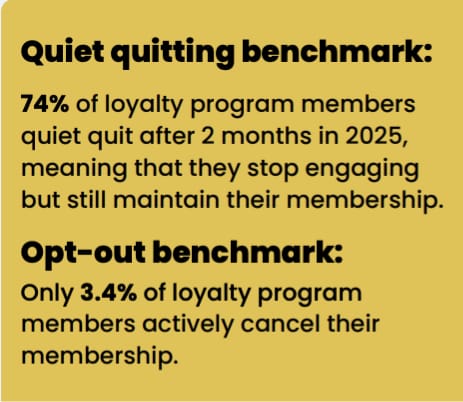
Quiet quitting, a concept we know from the world of human resources, has now become the bane of loyalty programs too. The data shows that when customers are unhappy with a program, they don’t hit the cancel-membership button and leave. They simply go silent.
Antavo’s platform data shows that 74% of members go quiet within the first two months after joining a program, while only 3.4% actually leave it. They remain members and don’t delete the app, but they have mentally checked out of the program. These “zombie members” show up in our databases as a sizable audience and mislead us. Yet true loyalty lies not in the number of members but in how many of those members actively keep engaging with us.
So Where Is the Way Out?
Antavo calls this the Age of Value. Keeping customers is no longer about simply giving them points on their birthday. We have to use AI to identify the 74% who are “going silent” and offer them value that is attainable (!), immediate and personal.
This piece was first published in Turkish in CX Bulletin on February 14, 2026. English translation.