The New Rule of Customer Loyalty in 2026: Be "Fair," Not Just Cheap
Is being cheap enough on its own to win your customers' trust and loyalty? And if the price of your product or service keeps changing because of inflation, does that put your brand in danger?
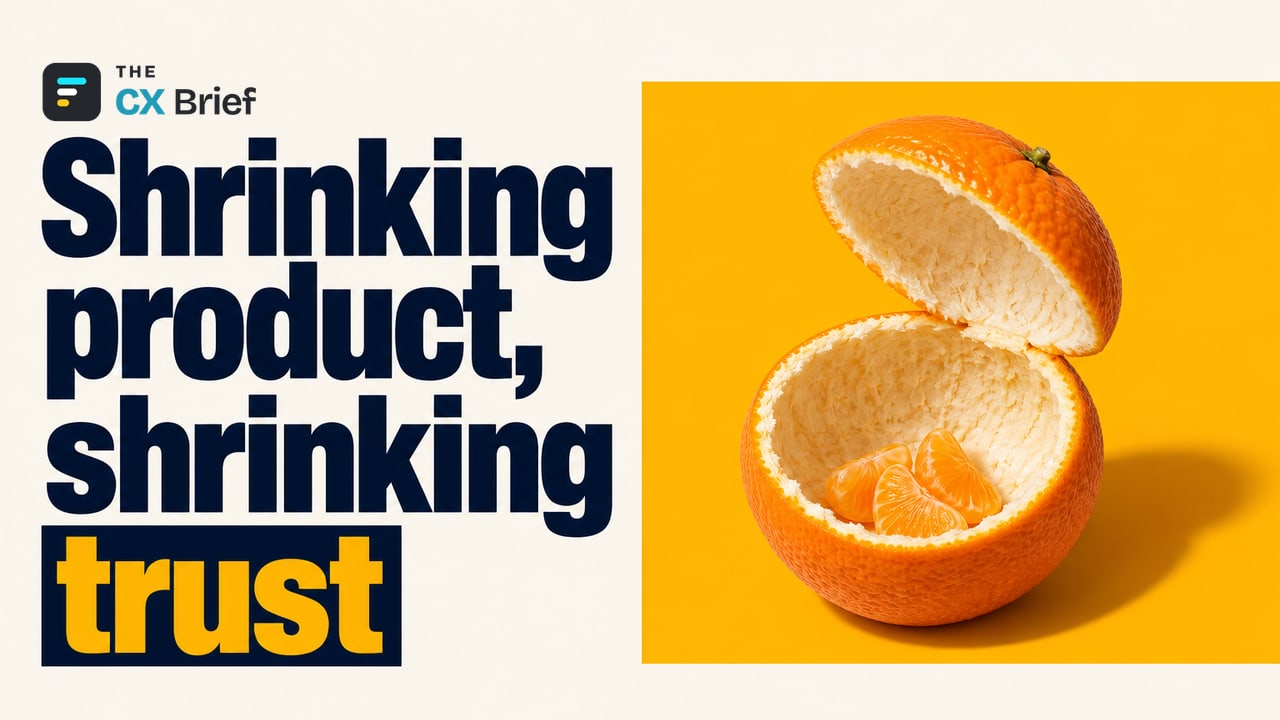
Many brands still rely on a “lowest price wins” strategy. But Capgemini’s “What Matters to Today’s Consumer 2026” report overturns this conventional wisdom and clearly shows the big danger ahead: high prices aren’t the only thing driving your customers away; they leave the moment they feel they’ve been “cheated.”
In 2026, the new currency of loyalty is no longer low prices but “fairness.” Consumers now expect respect for their intelligence as much as for their wallets. Let’s look at the numbers to see how the concept of “value” is changing shape and why the “hidden price hike” (shrinkflation) trap has become a ticking time bomb for brands.
1. The Concept of “Value” Has Changed: The Dishonest Lose
Customers no longer just glance at the price tag and move on; they demand transparency. Price, of course, is still decisive: 74% of consumers say they would switch brands if a competitor offered a lower regular price.
But what really stands out is the new battleground: perceived unfairness. 71% of customers issue a very clear warning: “If I notice that you’ve reduced the product’s weight or lowered its quality without telling me, I’m done with you.” The battle for loyalty is no longer fought on price alone but on “trust.”
2. The Biggest Mistake: Underestimating the Customer’s Intelligence (Shrinkflation)
Take the “hidden price hike,” better known as “shrinkflation.” Customers no longer see it as a simple cost adjustment but as an insult to their intelligence. The numbers are striking:
- 64% of consumers find the practice downright “unfair” and “unjust.”
- More importantly, the majority of customers (66%) say: “Rather than shrinking the package without telling me, just raise the price honestly. If you’re transparent, I’ll accept it.”
Changes made on the sly rapidly drain a brand’s reserve of trust.
3. So What Should You Do? 3 Strategic Steps for 2026
The proactive steps needed to avoid losing trust and to protect loyalty are clear:
1. Radical Transparency: Don’t Hide It, Explain It
If you have to raise prices or change the package, tell customers honestly. Saying “Costs went up, and we did this so as not to compromise on quality” earns far more respect from consumers. In fact, as in the IKEA example, announcing that you have cut prices when costs fall is a great opportunity to renew trust.
2. The “Intentional Indulgence” Effect: Offer Small Pleasures
The report highlights the rise of the concept of “Intentional Indulgence”: 7 in 10 consumers (70%) say small luxury indulgences help them cope with financial stress. You don’t have to sell customers huge packages; you can offer small, affordable rewards that make them say, “I deserve this.”
3. AI Must Be as Fair as a “Human”
AI is becoming part of business processes, but customers don’t want to give up control.
- 76% of consumers want to be able to set clear rules about when an AI shopping assistant can act on their behalf.
- And 71% worry: “How is this AI using my data?” In other words, human oversight alone is not enough; fairness, transparency and consistency must be built into the logic and the code of the AI system you put in place.
Conclusion: Honesty Is the Best Strategy
In short, in 2026 honesty is the way to reach customers. Hidden price hikes and sly tactics are now very risky. Build your strategy on “trust,” because in this new era, trust is not just a corporate value; it is your greatest competitive advantage.
This piece was first published in Turkish in CX Bulletin on January 9, 2026. English translation.