The New Loyalty Playbook: The Habit Loop and the Future of Experience
The concept of customer loyalty is undergoing a fundamental evolution, moving far beyond traditional rewards systems.
The concept of customer loyalty is undergoing a fundamental evolution, moving far beyond traditional rewards systems. Published by Ebbo, which has its finger on the pulse of the customer experience world, The New Loyalty Playbook report is a go-to resource for cracking the code of this very transformation.
This comprehensive report uses striking data to show how loyalty, no longer just a marketing tactic, needs to be woven seamlessly into customers’ daily lives.
The report rests on four new loyalty dynamics. Emotional loyalty is no longer secured simply by handing out transactional rewards, but by moving beyond the competition and discovering the hidden paths to the customer’s heart. A value-driven approach to loyalty, meanwhile, responds to younger generations’ search for shared values such as sustainability, while making it essential to deliver a tangible benefit in every interaction. The concept of enhanced reality blends AI and omnichannel experiences to create a frictionless journey. And perhaps the most critical factor, freedom of choice, gives customers full control over how they engage with the brand and how they are rewarded, turning loyalty from an obligation into a personal preference.
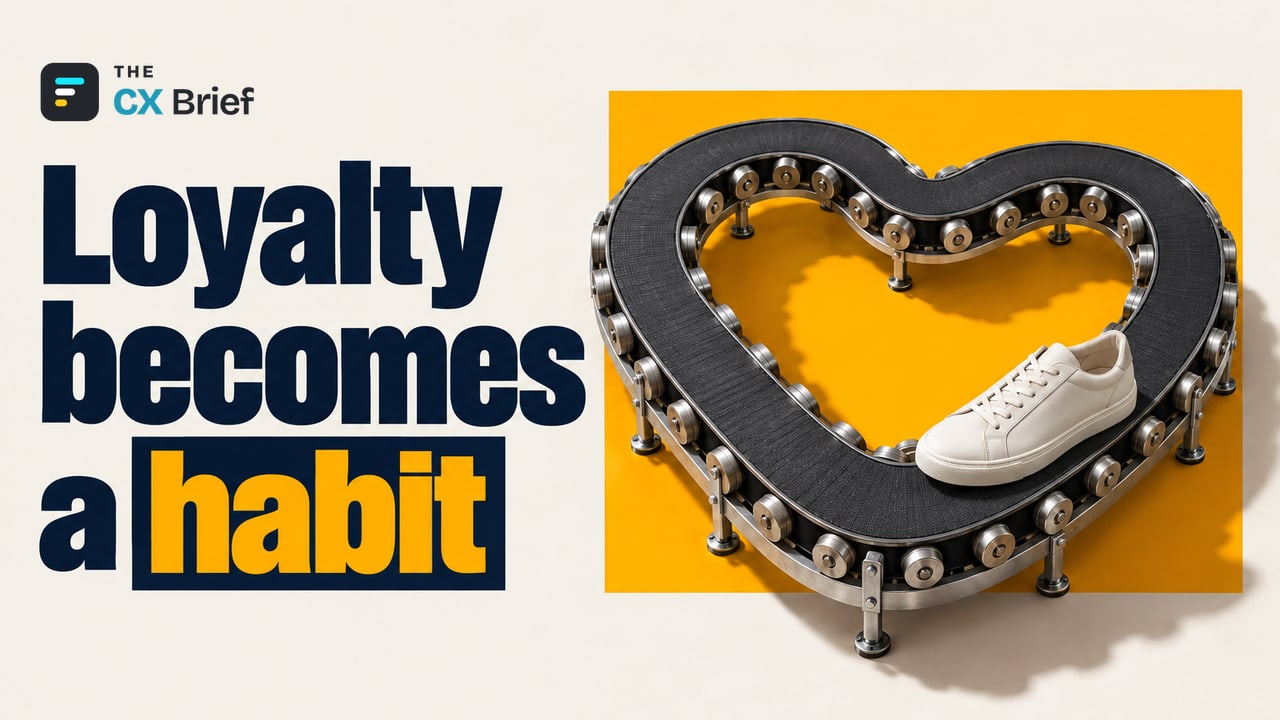
The most powerful strategic tool the Ebbo report offers experience architects is the concept of the habit loop. Built on the trio of cue, routine and reward, this model turns fleeting interactions into lasting behaviors. A notification sent at the right time and in the right place serves as the cue, while the effortless action the customer takes through a mobile app or by scanning a QR code forms the routine. Instant discounts or status perks then complete the reward stage, perfecting the loop. The PepsiCo case study in the report, in which QR codes on product packaging grew first-party data by 50% within 18 months, clearly shows the extraordinary business results this loop can deliver.
Transitions between paid and free loyalty programs can likewise be managed strategically through the same habit loop. One company examined in the report, which owns thirteen retail brands, ran a paid loyalty pilot at three of them that delivered massive gains: 56% in sales per member and 40% in purchase frequency. Consumers who get used to the brand through the instant value of a free tier become ready, when the time comes, to move up to a paid tier for more exclusive perks. The report also issues a very clear warning that blindly following market standards and industry benchmarks makes brands generic. Focusing on insights such as customer lifetime value, rather than on one-size-fits-all external metrics, is what keeps a program unique.
When we combine these universal findings with the dynamics of the Turkish market, an even more delicate balance emerges. For highly price-sensitive consumers who make quick buying decisions, loyalty has to create a benefit that can be seen and felt immediately. The brands that stand out from the competition will be those that, rather than simply promising points to be redeemed in the future, meet the customer’s need in the moment, make customers feel valued and get the habit loop right. For CX Bulletin readers and experience leaders, the real task is to rethink loyalty not as a set of transactions but as a designed architecture of emotion and habit.
This piece was first published in Turkish in CX Bulletin on February 26, 2026. English translation.