The Apple & Google Partnership and the Future of Siri: What Does Apple's Strategic Shift Mean for the User Experience?
Apple is sitting down with its longtime rival Google to bolster its AI vision for the future and the eagerly awaited overhaul of Siri.
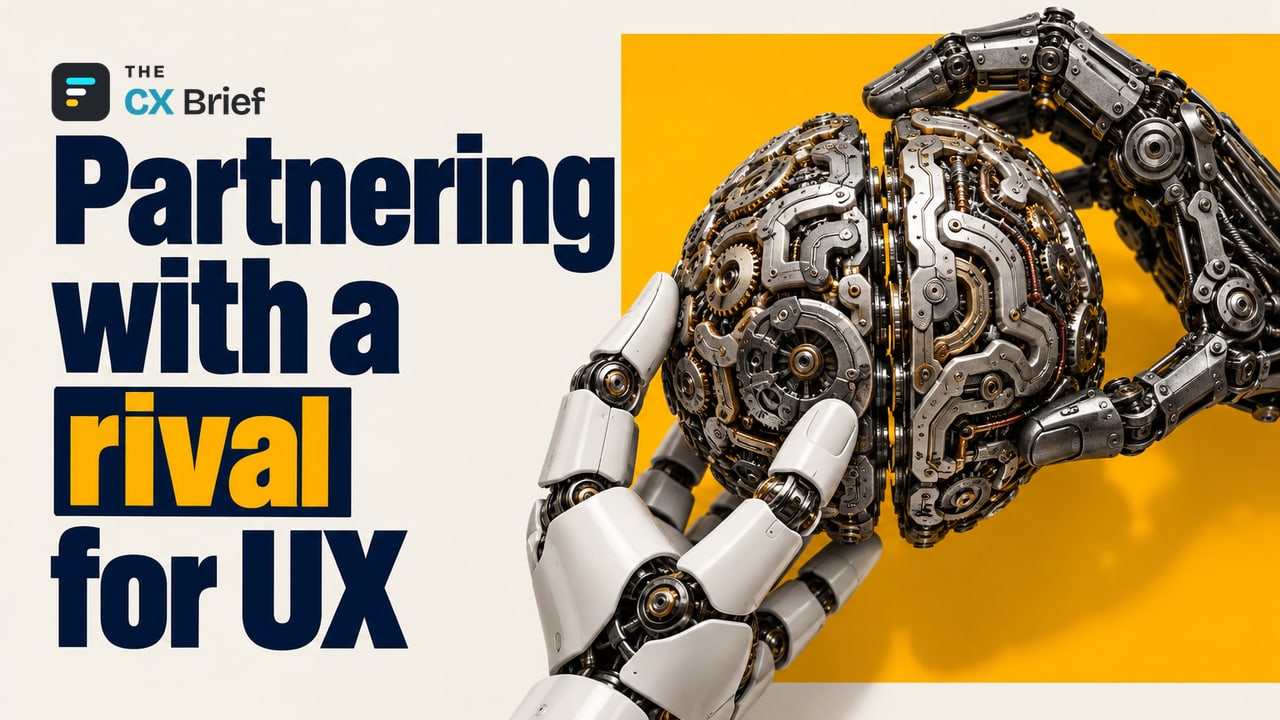
Think of those moments when you ask Siri a complex question and get back a basic list of web search results or an “I didn’t get that.” You are not alone in that frustration. But the good news is that this years-long user experience problem has set the stage for one of the biggest surprises in the tech world.
The partnership between Apple and Google should not be read simply as one tech giant asking another for help. It is the clearest sign yet of two things: the foundations of Apple’s famous “walled garden” strategy are being shaken, and user expectations are reshaping competition in Silicon Valley.
Here is what lies behind this strategic move and how it will affect your next iPhone experience:
Is the “We Build Everything Ourselves” Era Coming to an End?
Anyone who knows Apple knows how particular the company is about vertical integration. Until now, designing everything in-house, from chips to the operating system, has been part of Apple’s DNA.
That is why partnering with Google on a technology as critical as AI marks a radical culture shift for Apple. This move tells us the following:
-
Pragmatism Comes First: To avoid falling behind in the AI race, Apple chose to set “ideological purity” aside and put the user experience first.
-
Risk Management: According to sources, this deal is not exclusive. Apple’s talks with other players such as OpenAI and Anthropic show that the company does not want to depend on a single provider and is looking for strategic flexibility.
Why Wasn’t “Apple Intelligence” Enough?
Apple’s current approach to AI (“Apple Intelligence”) has, as always, focused on privacy and on-device processing. That was an excellent fit for background tasks such as summarizing notifications or editing photos.
However, the “wow” effect that people using large language models such as ChatGPT or Gemini experience can’t be achieved with the limited processing power available on a device. Users now want AI that is not just “functional” but also “creative and versatile.” This partnership with Google amounts to an admission that Apple wants to close that gap.
An Intriguing Alliance in the Midst of Legal Storms
The timing of this partnership makes it even more interesting. Google is already grappling with antitrust cases over its default search engine deal with Apple (a deal involving payments worth billions of dollars a year).
With the two tech giants’ financial relationship already under scrutiny, deepening their collaboration on a new front like AI is quite a bold move. It lays bare just how fierce the competition is and how companies are compelled to compete and cooperate at the same time, a dynamic known as co-opetition.
The Bottom Line: What Will Change on Your Next iPhone?
Setting aside the technical and commercial side of these developments, the part that matters most to us as end users is this: The wait is coming to an end.
We can read this alliance not as a strategic retreat by Apple, but as an attempt to open the door to next-generation intelligent experiences. With Gemini updates customized for Apple expected in the spring, get ready to meet a Siri that is:
-
able to truly understand you and grasp context,
-
capable of carrying out more complex tasks,
-
refreshed and far more personal.
The era of siloed ecosystems is coming to a close; going forward, no matter what brand your devices are, the intelligence behind them looks set to be the product of collective effort.
This piece was first published in Turkish in CX Bulletin on January 12, 2026. English translation.