"Tailoring" Makes a Comeback in the Age of AI: Levi's Launches "Wear Longer"
We are looking at a great example that validates a thesis we in the customer experience world have championed for years: the experience doesn't end at the moment of purchase; it continues throughout the product's life cycle. Levi Strauss & Co.'s "Wear Longer Project," announced on January 14, 2026, redefines that very post-purchase experience.
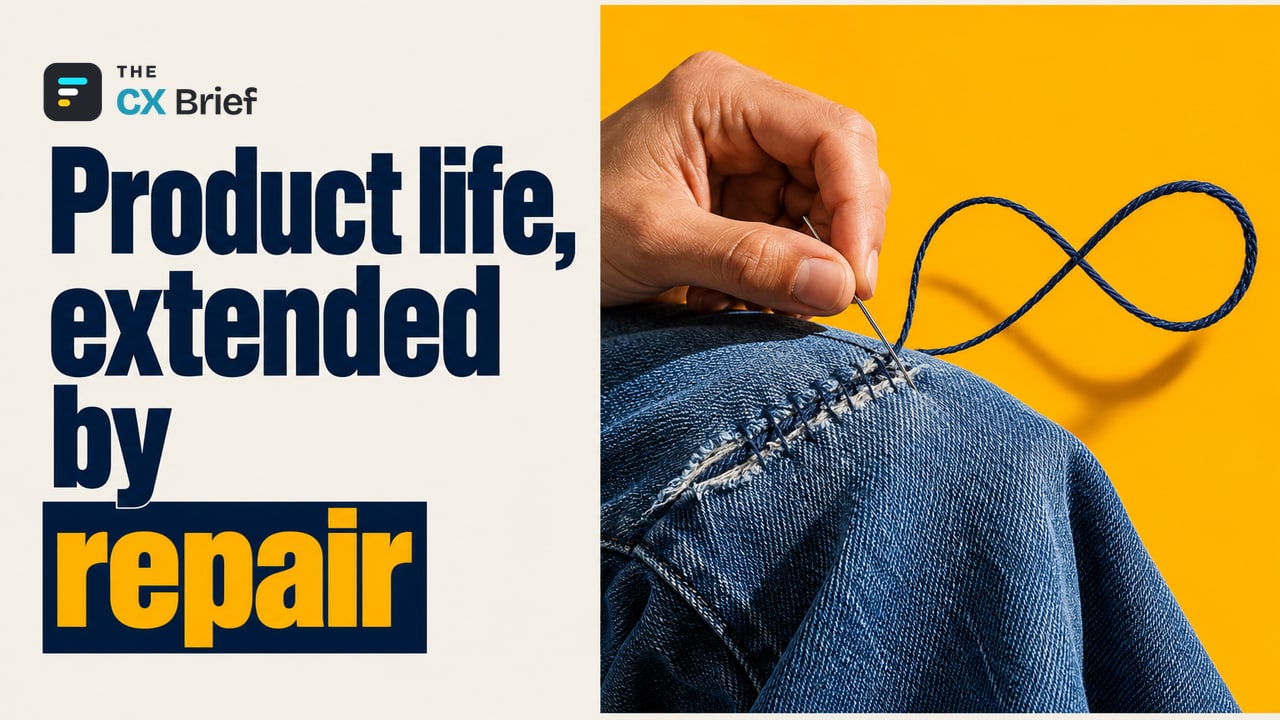
Levi’s has partnered with education technology leader Discovery Education to launch an education campaign that will teach Gen Z (especially high school–age teens) how to repair and patch their clothes and make them last longer.
This project is no hollow corporate social responsibility exercise; it rests on a very clear insight from the data. According to research commissioned by Levi’s, 41% of Gen Z say they lack even the most basic repair skills, such as mending a tear or sewing on a button. Yet 35% of young people say, “I would wear my clothes longer if I knew how to repair them.” With this project, which it will launch in San Francisco and roll out worldwide, Levi’s aims to close exactly this gap, known as the Intention-Action Gap.
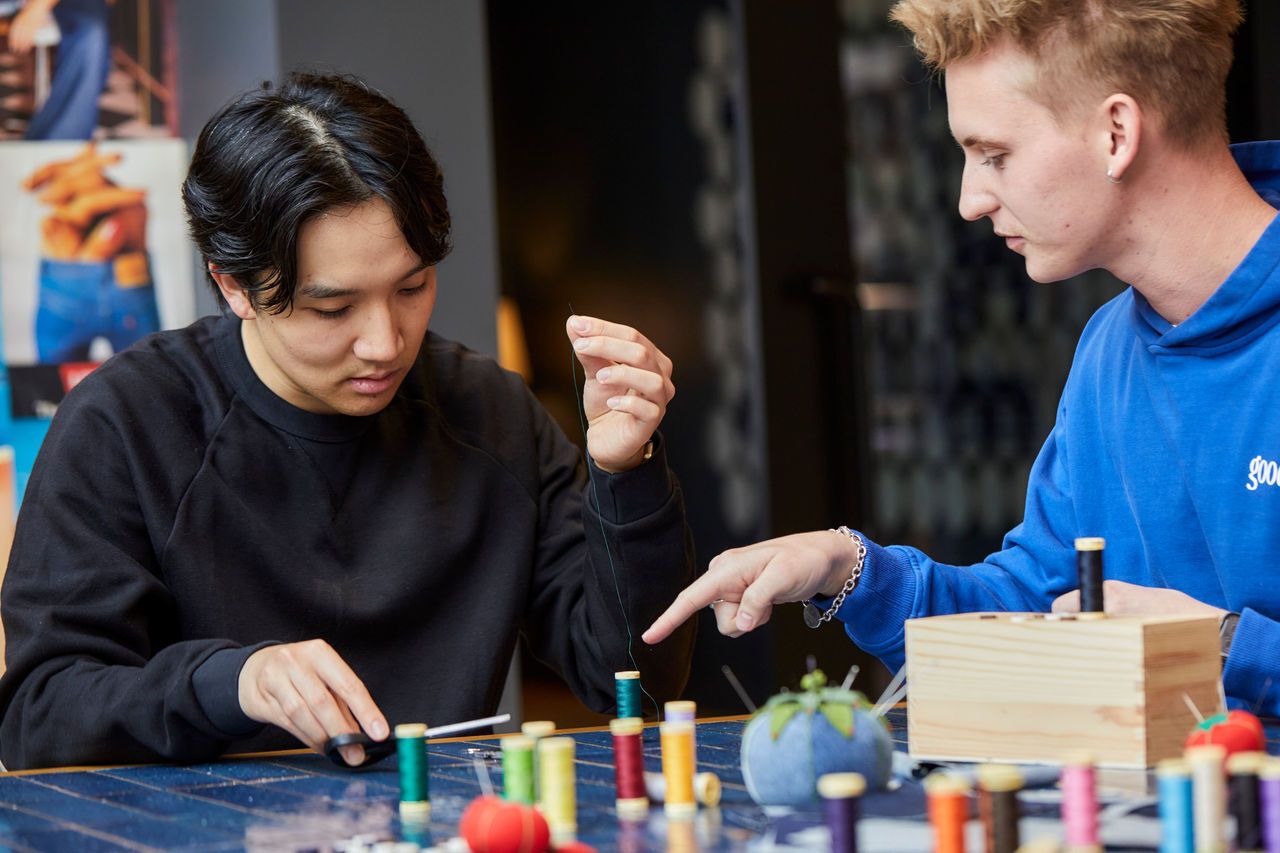
At Nord CX, we see this move as a textbook example of relational experience. Levi’s isn’t just selling its customers a pair of jeans here; it is also giving them the skills they need to keep wearing those jeans for years. From a customer experience perspective, it is making an important move on two fronts:
-
Sustainability in Action, Not Just in Words: It is clear evidence that brands can put real substance behind their “We’re green” rhetoric: by making customers part of the operation, Levi’s is putting sustainability into practice together with them.
-
The Loyalty Loop: When a young person learns to repair their own jeans in a Levi’s store or workshop, the bond they form with the brand is ten times stronger than one built on a discount coupon.
Looking at Türkiye from Canada, we see that this project has far greater potential back home:
-
Economic Reality and Necessity: In Türkiye’s inflationary environment, repairing clothes and wearing them longer is not just an environmental choice but an economic necessity. For Turkish consumers, the era of “Buy, Use, Throw Away” is over. This Levi’s project could strike a powerful chord with young people in Türkiye whose purchasing power has shrunk but who don’t want to compromise on style.
-
Modernizing the Culture of Tailoring: In our culture, the tailor was an important tradesperson found in every neighborhood, but the new generation is losing touch with this culture. Taking this project as a model, Turkish fashion retailers could set up “Modern Tailoring Workshops” through a variety of partnerships.
-
A Call to Local Brands: Amid the recent decline in fashion retail volumes, this is an opportunity to forge a very strong bond with consumers. By turning their stores from mere points of sale into “Care and Repair Stations,” Turkish brands can come out of these tough times stronger.
The Bottom Line: Levi’s is showing us that in 2026, the best customer experience is not about constantly selling customers something new; it is about helping them get more value out of what they already have. Players in the Turkish market shouldn’t miss the boat on this “Responsible Experience” shift either.
I’m adding a note to my calendar for a year from now. Let’s see how this project, and any ripple effects it may have in Türkiye, play out. What do you think?
This piece was first published in Turkish in CX Bulletin on January 29, 2026. English translation.