Starbucks Challenges Its Rivals With Experiences That Have "Soul"
Starbucks' clear stance on the roles of technology and human connection in customer experience offers valuable strategic clarity that other brands would do well to learn from.

Speaking at the Wall Street Journal CEO Council Summit, Starbucks CEO Brian Niccol announced that the company is shaping the brand’s future around the “in-café experience.” The strategy rests on the fact that, even though drive-thru channels account for 40% of transaction volume, roughly 60% of Starbucks transactions still involve an in-store element. As Niccol underscored, this approach deliberately sets the brand apart: “I absolutely believe that even if you want to grab and go, you’d rather do it from a ‘place’ than from a soulless experience.”
At the heart of this human-centered strategy is the brand’s goal of being “the company that defines customer service in the world.” According to Niccol, this vision comes to life above all through the personal relationships baristas build with customers, creating a “community connection” that sets the brand apart from its competitors. To strengthen that connection and ensure consistent service quality, the company is investing $500 million in its hourly workforce. Although an annual employee turnover rate of 50% is a good figure for quick-service restaurants (QSR), Starbucks aims to be “the best job in retail.” While turnover among store leaders, now down to about 20%, provides continuity, the investment is backed by concrete steps such as a $150 million store renovation program and the return of the condiment bar.
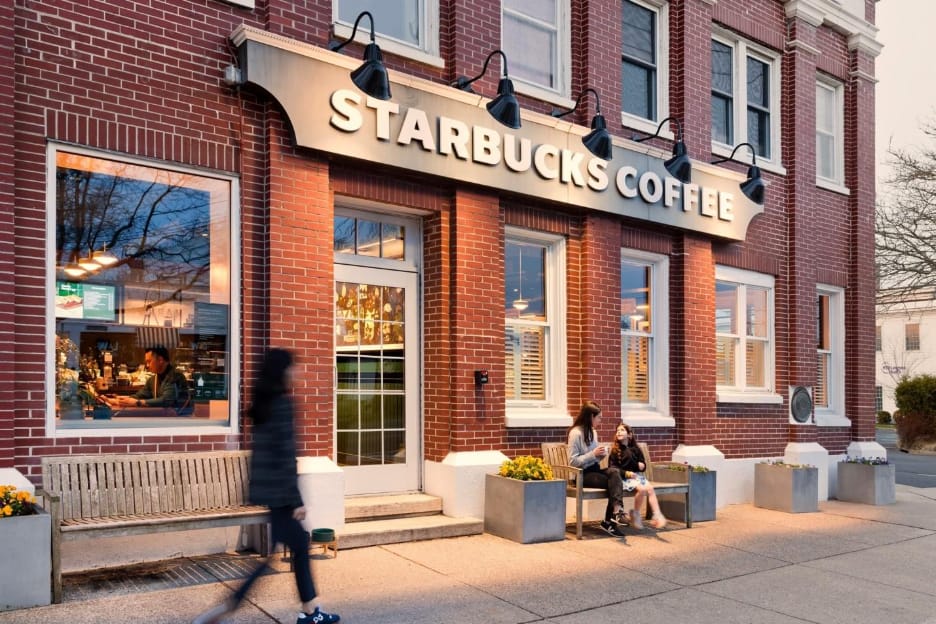
Starbucks firmly rejects the use of robots in its coffee experience.
Starbucks’ approach to technology is built on supporting the human element rather than replacing it. Mobile order sequencing technology, for example, is used to improve the operational efficiency of preparing espresso-based drinks without compromising service quality for customers in the café. Niccol, meanwhile, flatly rejects the use of robots, arguing that such automation would “take the soul out of the experience.” In Niccol’s view, sensory moments such as watching “the espresso being pulled” and “the milk being steamed” are a critical part of the brand’s premium, artisanal identity, and that experience cannot be replaced by technology.
Editor’s Take: This return to Starbucks’ “coffeehouse” roots is not just smart; it is a necessary strategic pivot in today’s experience economy. Of course, executing this human-centered vision consistently across thousands of stores poses a major operational challenge. But Starbucks’ clear stance on the roles of technology and human connection in customer experience offers valuable strategic clarity that other brands would do well to learn from.
This piece was first published in Turkish in CX Bulletin on December 14, 2025. English translation.