Racing Returns to Istanbul, and F1 Returns to Fans' Hearts
The news that Formula 1 will return to Istanbul Park in 2027 has all of us very excited. Watching the pinnacle of motorsport on home soil and breathing in that incredible atmosphere again is going to be wonderful.
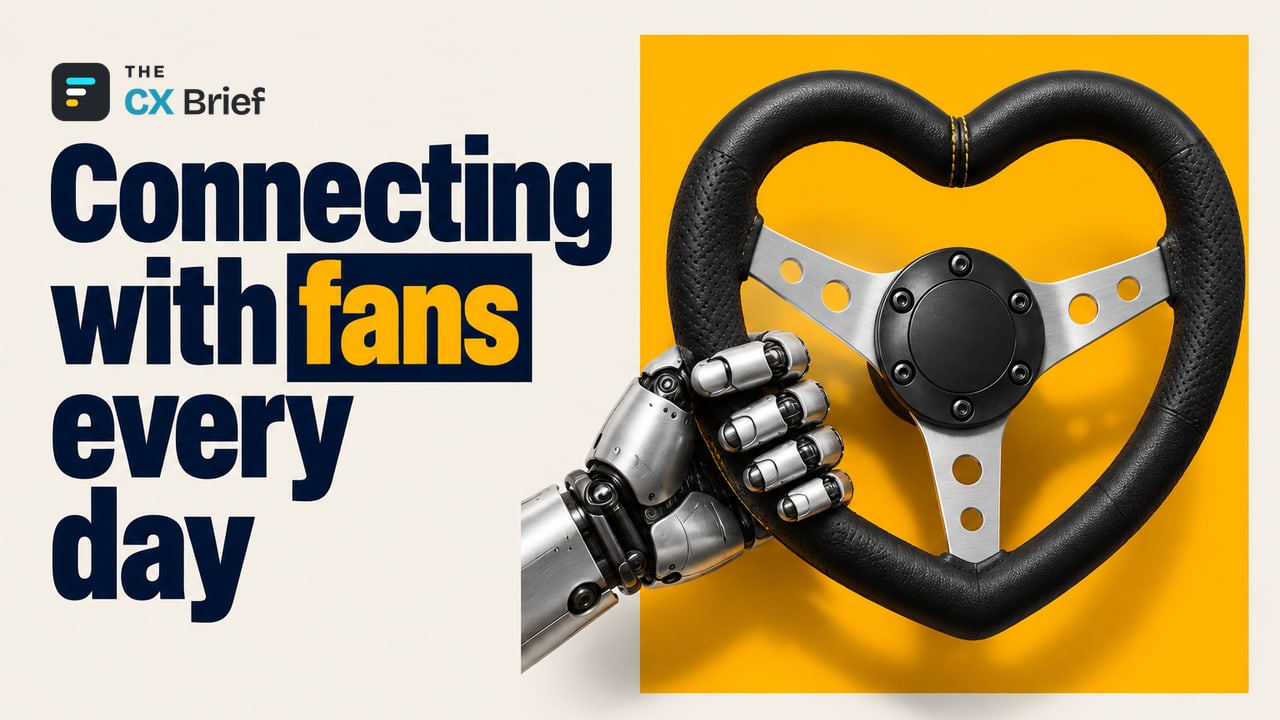
F1’s management is shifting up a gear not only on physical tracks but in the digital world as well. With a massive global database of 827 million registered fans, the organization is working at full throttle to turn racing from a two-hour event watched on screen on Sundays into a seamless, year-round customer experience.
At the very center of this transformation is Salesforce Agentforce, the platform the tech world has been talking about most lately. It is truly inspiring to see how an organization like F1, with massive volumes of real-time data flowing through it, has designed this architecture. Especially given that 43% of the organization’s fan base is under 35, management’s rapid move away from traditional communication channels toward AI-powered autonomous assistants should be read as a highly strategic step.
So what exactly does this system do behind the scenes? Looking at the details Salesforce announced just a few days ago, we can see that the Agentforce platform goes far beyond a simple chatbot. The AI assistant, which will first be made available on the official website, will start by helping fans understand the complex new technical regulations coming into force in 2026. Fed by trusted data sources, the assistant doesn’t just serve up canned scripts; it gives clear, real-time answers to fans’ most complex questions. At the same time, by tracking trending topics second by second, it provides strategic, actionable insights to the teams working behind the scenes.
The numbers clearly prove how successful the integration has been. Now that the system is live, 80% of routine requests from fans around the world, such as login or streaming issues, are handled within a narrow window of just four hours. Handling times in live chat are down by a full 30%. On top of that, thanks to the personalized content recommendations the AI delivers, marketing click-through rates have climbed by an impressive 22%. While F1’s Chief Commercial Officer (CCO) Emily Prazer describes the assistant as a key tool for deepening the year-round bond with fans, Salesforce, for its part, underscores how unified data and AI have thoroughly transformed fan engagement.
Of course, this massive operation isn’t limited to the fan-facing side. Behind the scenes, B2B operations and sponsorship processes are also riding this wave of data. Thanks to the Salesforce integration, commercial partnerships are tracked with much clearer data, and analysis of audience data gives sponsor pitches an unmatched edge. And with Slack rolled out for internal communications, F1’s operational teams scattered across the globe are brought together in a single communication network that can respond instantly to developments as they happen.
As we eagerly wait for the checkered flag to wave in Istanbul in 2027, the organization has already started breaking its own lap records on the digital tracks. For anyone who wants to see how brands can turn the vast amounts of data they hold into natural, genuine interactions that make customers’ lives easier, the F1 and Salesforce partnership is a truly flawless example.
This piece was first published in Turkish in CX Bulletin on March 6, 2026. English translation.