Customer Focus Drove Record Revenue at Lyft
New strategies are constantly being debated in the world of customer experience, but certain core principles rarely lose their validity. The simplest way to sustain profitability and achieve steady growth in tough economic conditions is to focus all your attention squarely on the customer.

In Türkiye we know the Uber app well, but Lyft, its biggest rival in the North American market, is not widely known. Lyft operates as a transportation network that connects riders and drivers, with a user-friendly interface and a warm, community-minded approach. The financial results the company announced in the latest quarter show that customer obsession is not just corporate rhetoric but a model that works.
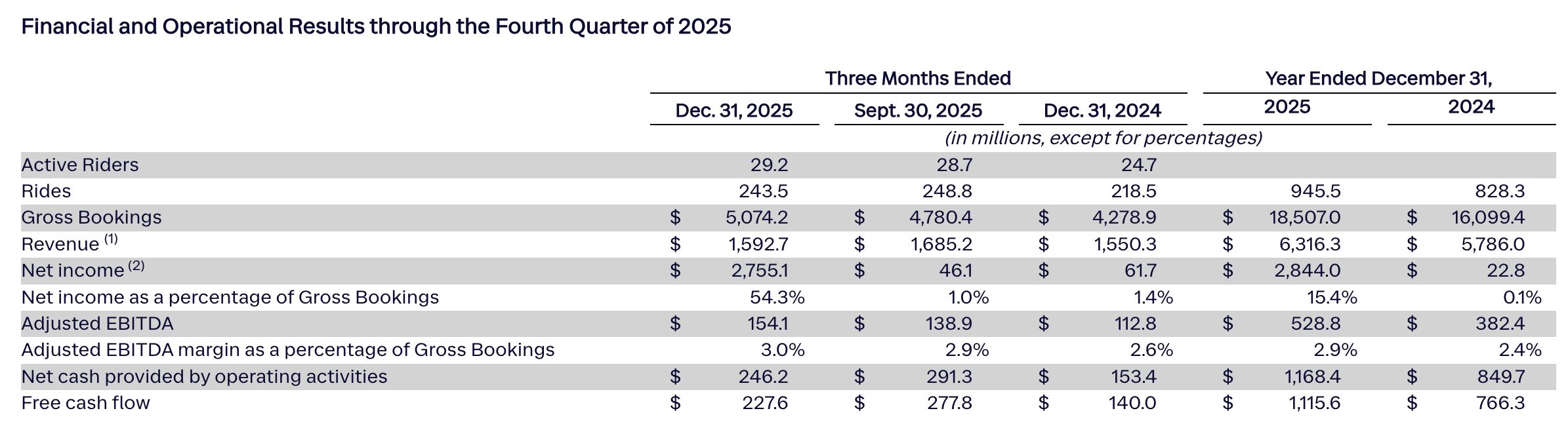
The company’s head, David Risher, ties its 2025 transformation directly to customer obsession; that same year, free cash flow topped $1.1 billion to reach an all-time high, and active riders rose 18% to 29.2 million. Choosing to grow the overall pie and focus on riders’ needs rather than fixate on market competition, management aims to reach the large population that is not yet served instead of waging a bruising war with rivals. Given that only a very small fraction of the hundreds of billions of trips in the transportation sector are made through digital platforms so far, looking to customer expectations rather than to rivals’ moves is paying off for the company. Partnerships with airlines and food delivery platforms also stand out as a beneficial result of the effort to add value for riders.
From the vantage point of a professional observing North American practices firsthand from Canada, we believe this vision is a sound approach, especially in contracting economies. In a dynamic, highly price-sensitive and fiercely competitive market like Türkiye, companies mostly try to get ahead of rivals by cutting costs or engaging in aggressive price competition. The Lyft example, however, shows that growth rests on delivering consistent value to customers and making operations seamless. When you focus on how to make your own customers’ lives easier instead of hunting for other companies’ weaknesses, financial improvement follows on its own over time.
The returns on customer experience investments may not always be visible right away. But brands that put loyalty at the center, make their users feel valued and maintain their service standards can build a user base that sustains them even in times of uncertainty. Focusing on the customer rather than the competition remains a practical and valuable guide for executives in today’s market conditions.
This piece was first published in Turkish in CX Bulletin on February 20, 2026. English translation.