From Invisible Crisis to Customer Loyalty: How Employee Financial Wellness Shapes Customer Experience
I took a deep dive into the results of the PwC 2026 Employee Financial Wellness Survey: discover the strong link between EX and CX and how financial stress affects business results.

For years now, all over the world, we have been buffeted by economic turmoil, by employees’ shrinking purchasing power and by the rising cost of living. Wars and crises: one ends, another begins. The current oil price crisis once again has billions of people in its grip, inflicting real pain.
It is under exactly these conditions that a truth we often overlook while designing the perfect customer journey hits us in the face: How clear are the minds of the employees on the front line, the ones who interact with our customers and give voice to our brand? We have to accept that creating a customer experience is not only about technology infrastructure; it is directly tied to human psychology.
Published yesterday (April 14, 2026), the PwC 2026 Employee Financial Wellness Survey puts its finger on exactly this point and lays out, in numbers, the link between employee experience and the value we create. The report shows that employees’ financial stress is not merely a personal problem but a hidden business risk that directly affects companies’ productivity and, by extension, the quality of the service delivered to customers.
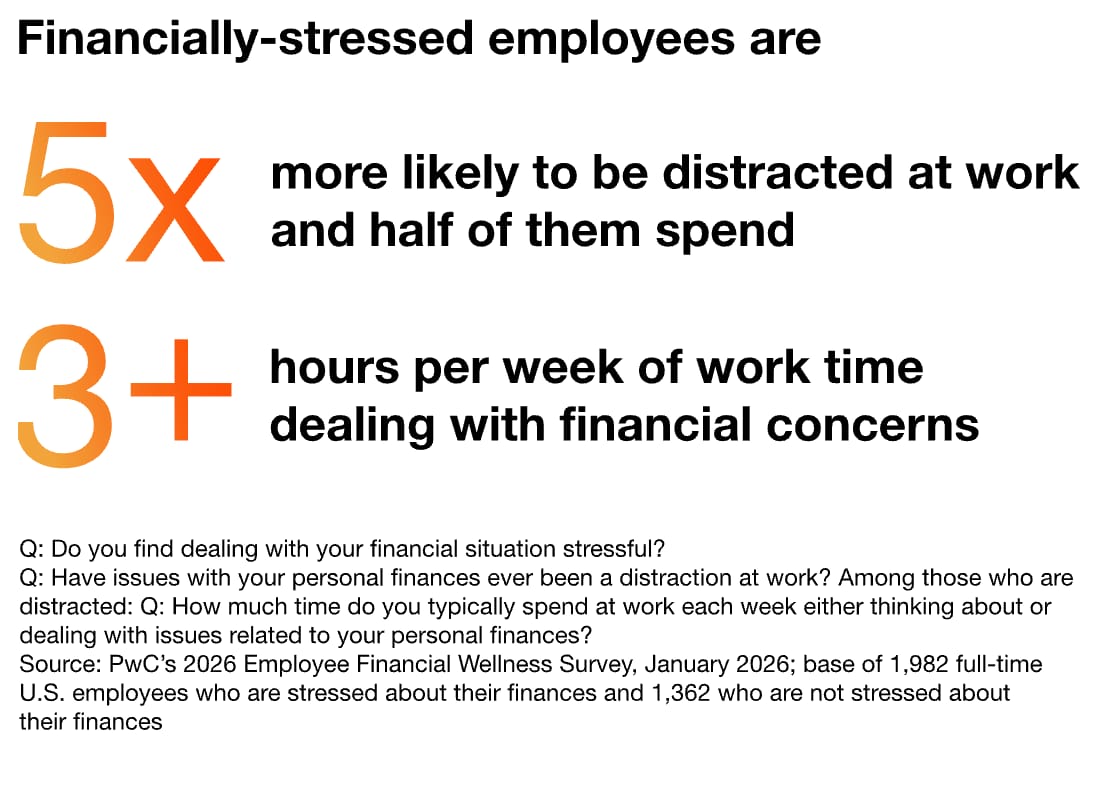
Financial Stress: The Silent Killer of Productivity and Loyalty
When we dig into the report’s data, the seriousness of the situation becomes clear. Of the employees surveyed, 59% say they are stressed directly because of their financial situation. That means a workforce that is distracted and struggling to focus, whether in the office or on customer service lines. Looking at the younger generation in particular, 85% of Gen Z respondents say that financial stress is hurting their mental health, while 71% admit that their productivity has dropped.
So where does this stress come from? Among employees, 49% say their earnings are not keeping up with the rising cost of living. While 53% have less than $5,000 saved for an emergency, 30% don’t have even a $1,000 safety cushion. The share turning to credit cards for basic needs to make it to the end of the month has reached 44%, and the share using pay advances or short-term loans has reached 39%.
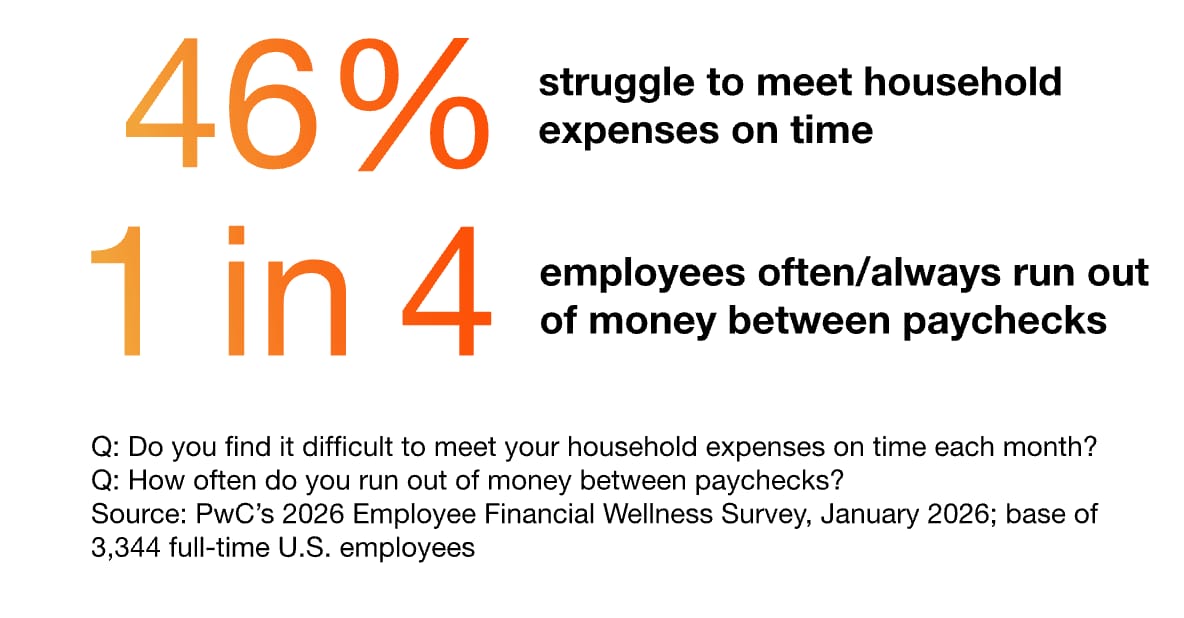
How realistic is it to expect an employee who cannot plan for the long term or even dream of retirement (only 38% of Gen X believe they will be able to retire when they want to) to approach customers with deep empathy? This is exactly where customer experience takes the hit. An employee preoccupied with bills cannot summon the extra patience and creativity needed to solve a customer’s complex problem.
For many, financial stress is not about retirement; it is about just getting through the month.
The Costco Model and the Role of AI in Wellness
One of the global giants that understands this correlation best is Costco. Although it has no operations in Türkiye, Costco’s business model around the world is a unique reference point for all of us. The strong financial security it provides its employees and its high-wage policy translate directly into customer loyalty. I explored this in depth in my piece The Wall Diplomatic Crises Cannot Breach: Customer Loyalty. As we stressed in that piece as well, companies that invest in their employees manage to hold on to their customers even in the toughest market conditions.
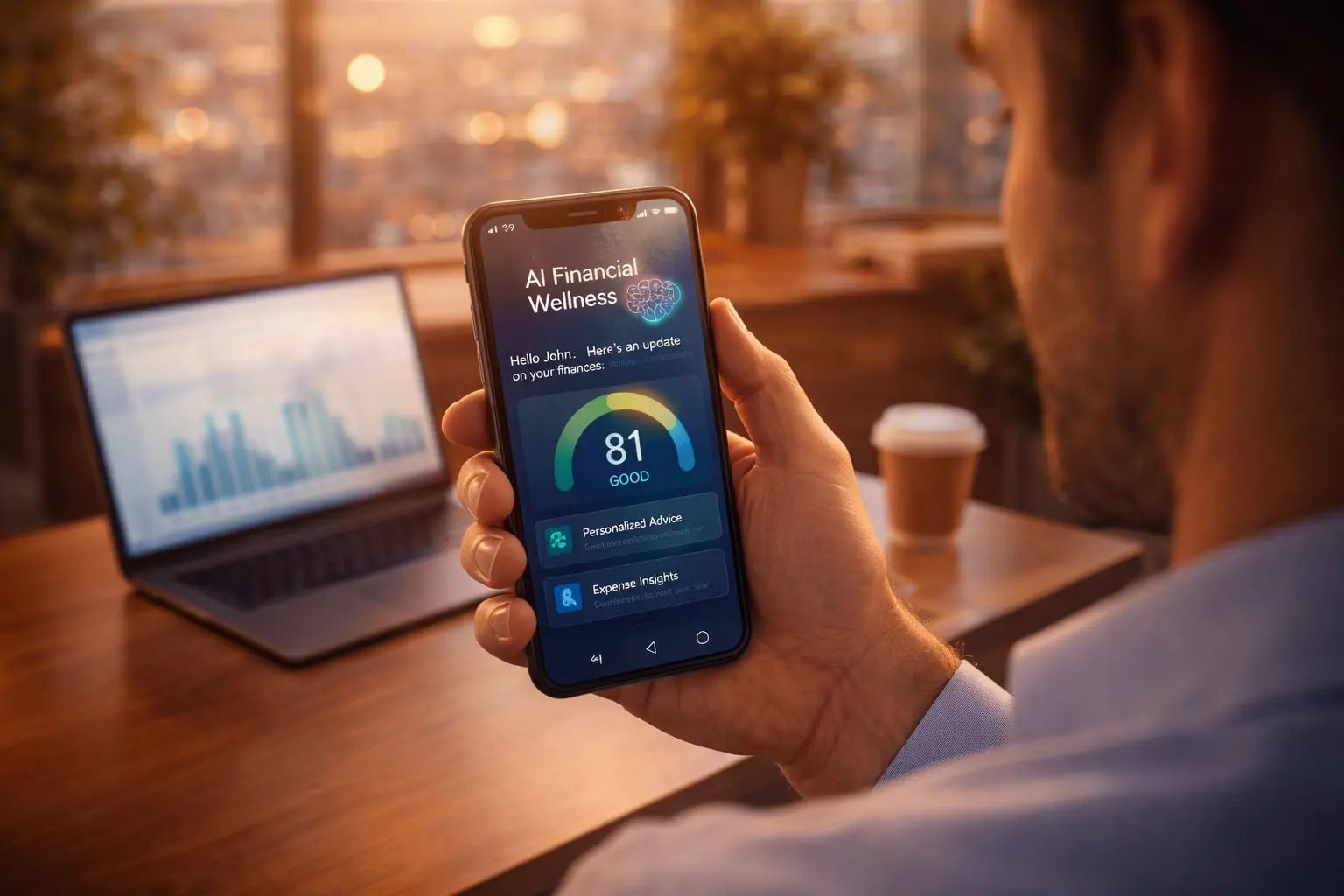
Another opportunity of our time is supporting financial literacy with technology. According to the PwC survey, for employees who feel ashamed of their financial situation and do not know where to start, AI-powered financial planning tools offer a judgment-free, safe first step. The recommendation is for employees to take steps such as basic budgeting and debt management with these digital tools, then move on to coaching from a real person. This organic integration of employee wellness and technology is, in fact, an excellent internal application of the proactive AI strategy I detailed in my piece Metrigy 2025 Report Analysis: How Leaders Make a Difference with AI and Proactive Communication. Positioning AI and automation correctly inside the company does more than speed up processes; it becomes one of the most fundamental levers for boosting productivity and nurturing customer loyalty.
Building the Future Together
We have to support employees in building their skills. While 52% of employees do not feel equipped to plan for long-term goals, many are in fact highly motivated to learn skills such as budgeting and debt management. Indeed, among those whose employers offer these services, 83% of Gen Z and 79% of millennials actively use financial wellness services.
As we set out to increase customer loyalty, we should always begin the journey with our own teams. An employee who feels financially secure, thinks clearly and looks to the future with hope is the greatest asset your brand can offer its customers.
This piece was first published in Turkish in CX Bulletin on April 15, 2026. English translation.