The President on the Line: Burger King's Bold Move on Customer Experience
The most direct way to improve the customer experience is to hear the voice of the customer, unfiltered. Tom Curtis, president of Burger King US and Canada, recently took a strikingly bold step on that front.

Noting that there is no way to visit all of the chain’s more than seven thousand restaurants in person, Curtis shared a work phone number with customers, giving them a direct line to the president. Curtis has pledged to spend at least four hours a day answering incoming calls and messages, with the aim of hearing firsthand about operational problems, technical glitches and the overall state of the restaurants.
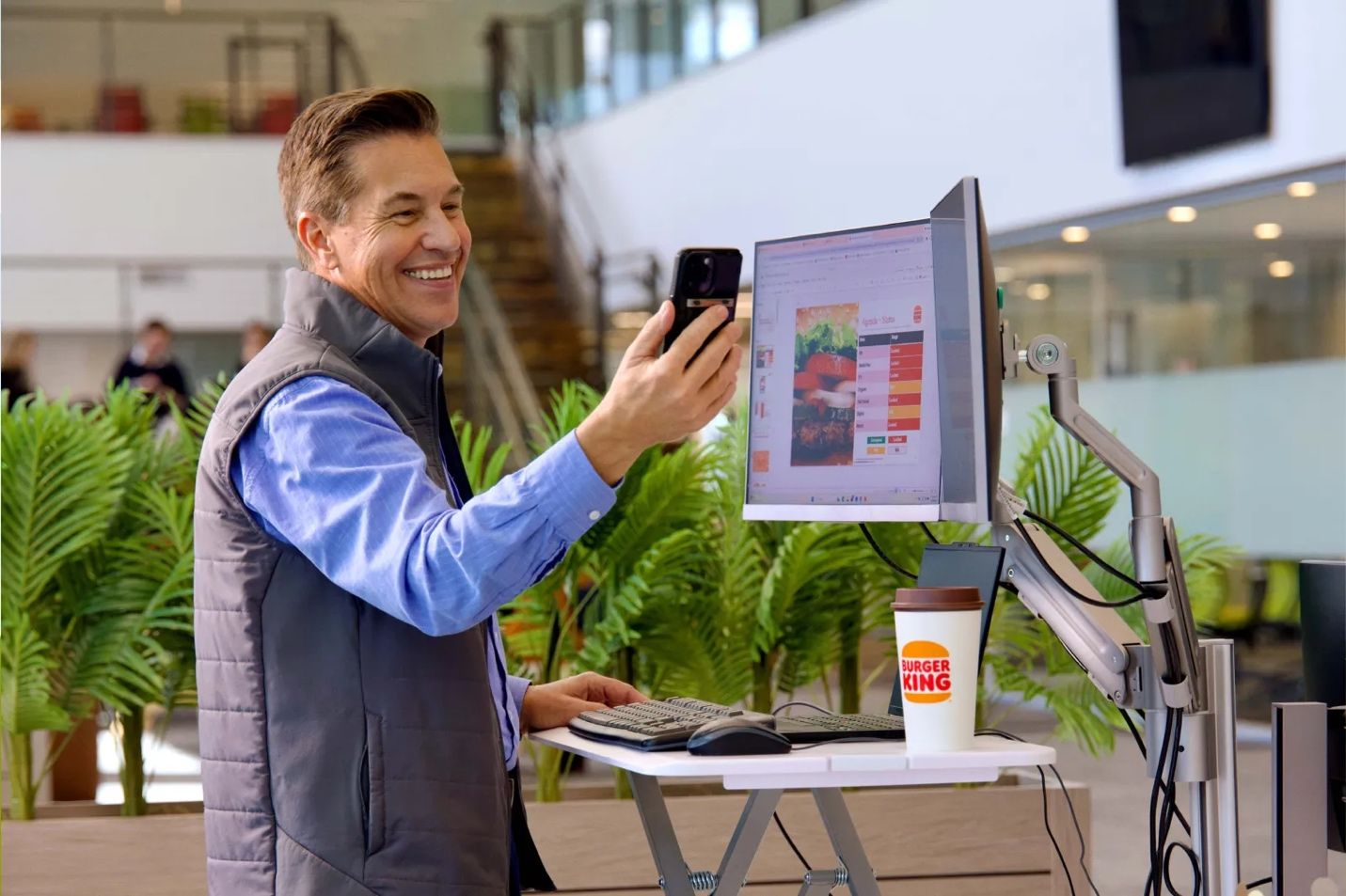
Dismissing this unusual move as a mere public relations exercise would be a serious misreading. As someone who observes North American market practices firsthand from Canada, I believe the approach sends an enormously powerful message about corporate culture. A leader who makes their phone number public gives every employee, from the front line to top management, a concrete demonstration of just how valuable the voice of the customer is. Many brands have never solved the fundamental problem of executives who lose touch with what’s happening on the ground and make decisions on metrics alone. Curtis, by contrast, knows full well that this line won’t bring only thank-yous; it will also mean facing harsh criticism.
There is also solid financial momentum behind this bold move. Following significant investments by its parent company, Restaurant Brands International, in operations and restaurant remodels, Burger King has outperformed the fast-food industry as a whole in 9 of the last 12 quarters. Having posted 2.6% same-store sales growth across the United States in the final quarter of last year, the brand has no intention of losing that momentum. Sharing the phone number is therefore less a panicked response to a business in crisis than part of a strategy to use customer feedback to build on that growth and spread it more widely.
Viewed through the lens of the Turkish market’s dynamics, the picture looks far more challenging. Turkish consumers form deeply emotional bonds with brands and react instantly. Amid the intense pace of the fast-food industry, issues such as delivery services, pricing policies or portion standards can trigger immediate dissatisfaction. In Türkiye, a senior executive who shared direct contact details this openly would face a flood of complaints big enough to paralyze operations in the first few days. Yet the real opportunity lies precisely within that risk. When consumers find someone who truly listens to them and takes responsibility without making excuses, their loyalty to the brand can become unshakable.
Of course, the power of this kind of transparency depends on how much of the feedback is actually turned into action. The real value will come not just from listening, but from being able to quickly update internal processes to tackle the root causes of the problems raised. For CX Bulletin readers, the clearest takeaway from this case is that no matter how far technology and AI advance, nothing can replace human-centered, unpretentious communication. For leaders, sometimes the biggest and most effective innovation is simply picking up the phone and sincerely listening to the person on the other end.
This piece was first published in Turkish in CX Bulletin on February 20, 2026. English translation.