A New Era in Experience Design: LEGO "Smart Play" and the Phygital Revolution
The "Smart Play" system LEGO unveiled at CES 2026 represents a paradigm shift not only in the world of toys but in the customer experience ecosystem as well.
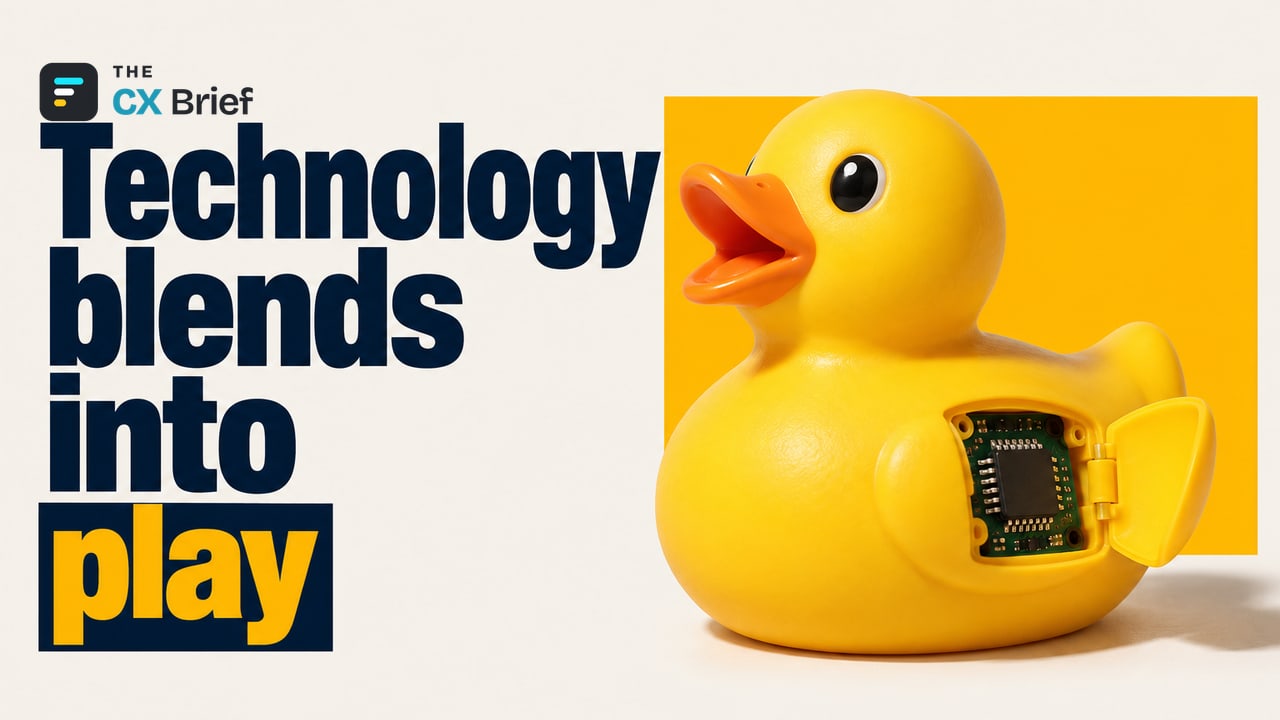
By using technology not to rob play of its spirit but to enrich it, LEGO has created a “marvel of experience design” that meets the deepest expectations of children and parents.
But the magic here is a mind-boggling, data-driven, living experience ecosystem for LEGO. We’ll get to that shortly. First, let’s learn a bit more about what Smart Play is:
From the outside, the LEGO Smart Play system looks like ordinary LEGO pieces, but rather than putting technology ahead of play, it makes technology part of play and opens up endless possibilities for expansion and interaction.
The System’s Three Cornerstones
- LEGO Smart Brick: A special 2x4 brick that serves as the brain of the system, containing sensors, lights, a speaker and a processor.
- LEGO Smart Tags: Special 2x2 tiles with digital identities that trigger specific sounds and behaviors.
- LEGO Smart Minifigures: Minifigures with an embedded chip carrying a digital identity; they identify themselves to the system and trigger special interactions.
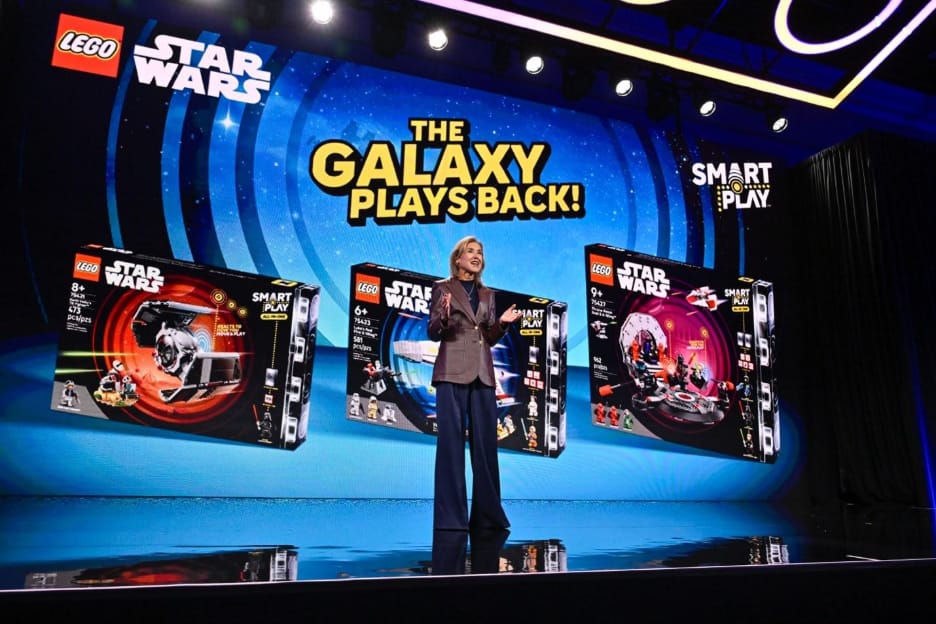
The Magic of Invisible Technology
Part of LEGO’s genius lies in its philosophy of making technology almost entirely “invisible.” The company has embraced the goal of bringing creativity, technology and storytelling together “without any screens.” Although the Smart Brick packs advanced technologies such as an accelerometer, light and sound sensors, a speaker and a wireless charging coil, from the outside it’s just a LEGO brick. To perfect this magical feeling, LEGO designed its own custom ASIC chip instead of using an off-the-shelf one.
When the bricks start talking, this invisible technology reveals itself in hands-on play. Here are some of the magical moments from the CES demos:
- LEGO cars that start their engines and roar.
- A LEGO duck that quacks, and even snores, when laid down on its side.
- A LEGO airplane pilot who shouts “woah!” when flipped upside down.
- A trophy at the finish line that declares the winner by lighting up in the color of the car that won the race.
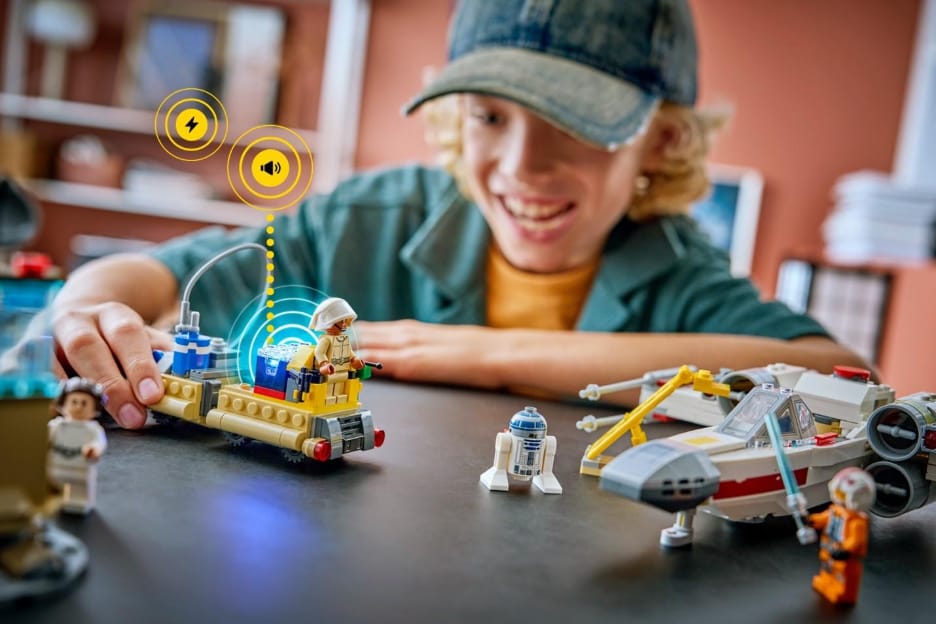
For the launch, LEGO is playing it safe with a Star Wars set that appeals to everyone. Adult LEGO fans usually build their sets and put them on display. But the Smart Brick is changing the way they display them, too. Imagine: as you pass the X-Wing, the sensors kick in, the lights come on and you hear the engine; and when it interacts up close with other Star Wars sets, it practically pulls you into the movie. Wouldn’t that be amazing? Of course, these features also explain the $70-to-$160 price tags all by themselves 🙂
But the truly mind-boggling part is that this new world builds a data-driven experience ecosystem for LEGO!
Thanks to these bricks, LEGO may, for the first time, get the chance to collect data, albeit anonymously, on “how customers play with the product at home.” We are now handing over all the data on what we play with, how much and when, and which other products we have it interact with. With this incredible treasure trove, LEGO is opening the door to developments we can’t even imagine.
Let’s also look at this through the lens of customer experience datasets. With this magic at work, incredible jumps in NPS (Net Promoter Score) are well within reach, and so are incredible jumps in CLV (customer lifetime value), fueled by software updates, data-driven complementary product development and recommendations. Getting bored with the product, forgetting it on the shelf and losing interest — in other words, churn — could now become much less common.
LEGO’s Smart Play system is a customer experience masterpiece that integrates technology without spoiling the spirit of physical play, and in fact enriches it. By embedding digital intelligence in a physical object, the company is redefining the concept of the “smart toy,” changing not the rules of play but its texture.
This innovation is a source of inspiration not just for LEGO’s future but for the entire toy industry. It offers a brilliant example of how technology can ignite the imagination rather than destroy it. This is what the play experiences of the future will look like: smart, interactive and, most importantly, still magical.
It looks like we’ll soon be hearing a lot more about phygital, a concept that has kept a low profile for a while, and we’ll keep seeing its ripple effects in everything from collaborations with different brands to copycat approaches.
This piece was first published in Turkish in CX Bulletin on January 7, 2026. English translation.